extinction · by the numbers
99.9% of all species that have ever lived are extinct. Source: American Museum of Natural History
Lost & Endangered doesn’t ask you to grieve. It asks you to listen.
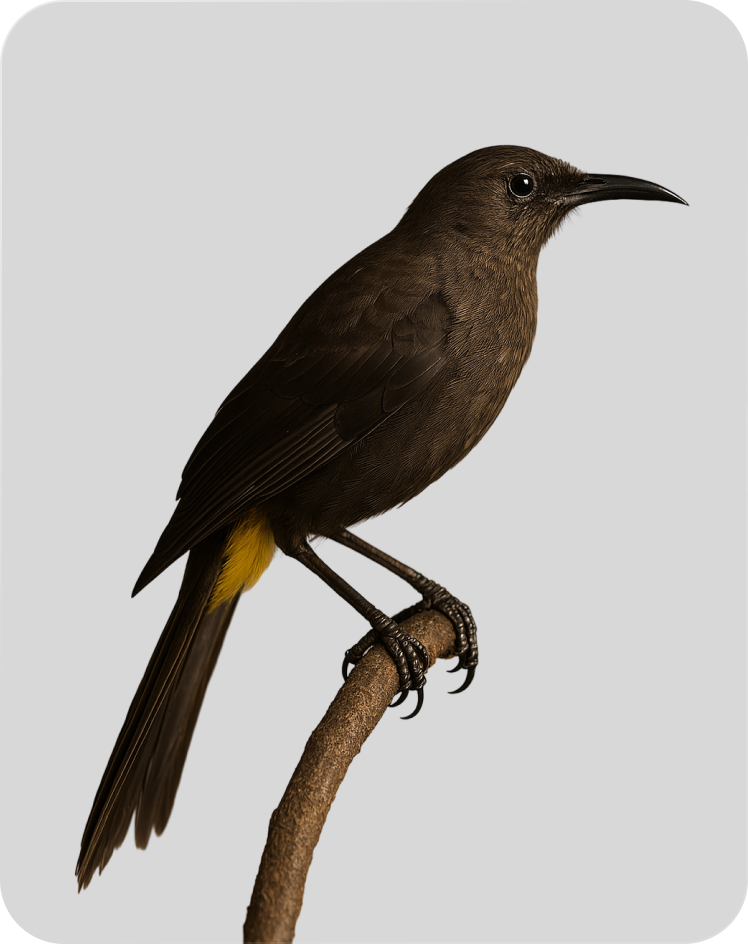
A field guide for extinct +endangered birds, built to invite you in and listen so they don’t go silent.
99.9% of all species that have ever lived are extinct. Source: American Museum of Natural History
Lost & Endangered doesn’t ask you to grieve. It asks you to listen.
Research confirmed it: lead with loss, people disconnect.
Taxidermy preserves the body, and yet there is no public experience that preserves the voice.
No way to hear what was lost.
So I built a place to listen.
Four entry points that drop into one archive: lost birds, endangered birds, featured ecosystems, bioacoustics & conservation.
A profile per species. AI cleans up what survived on tape. Silence honors what didn’t. Flora AI for the visuals.
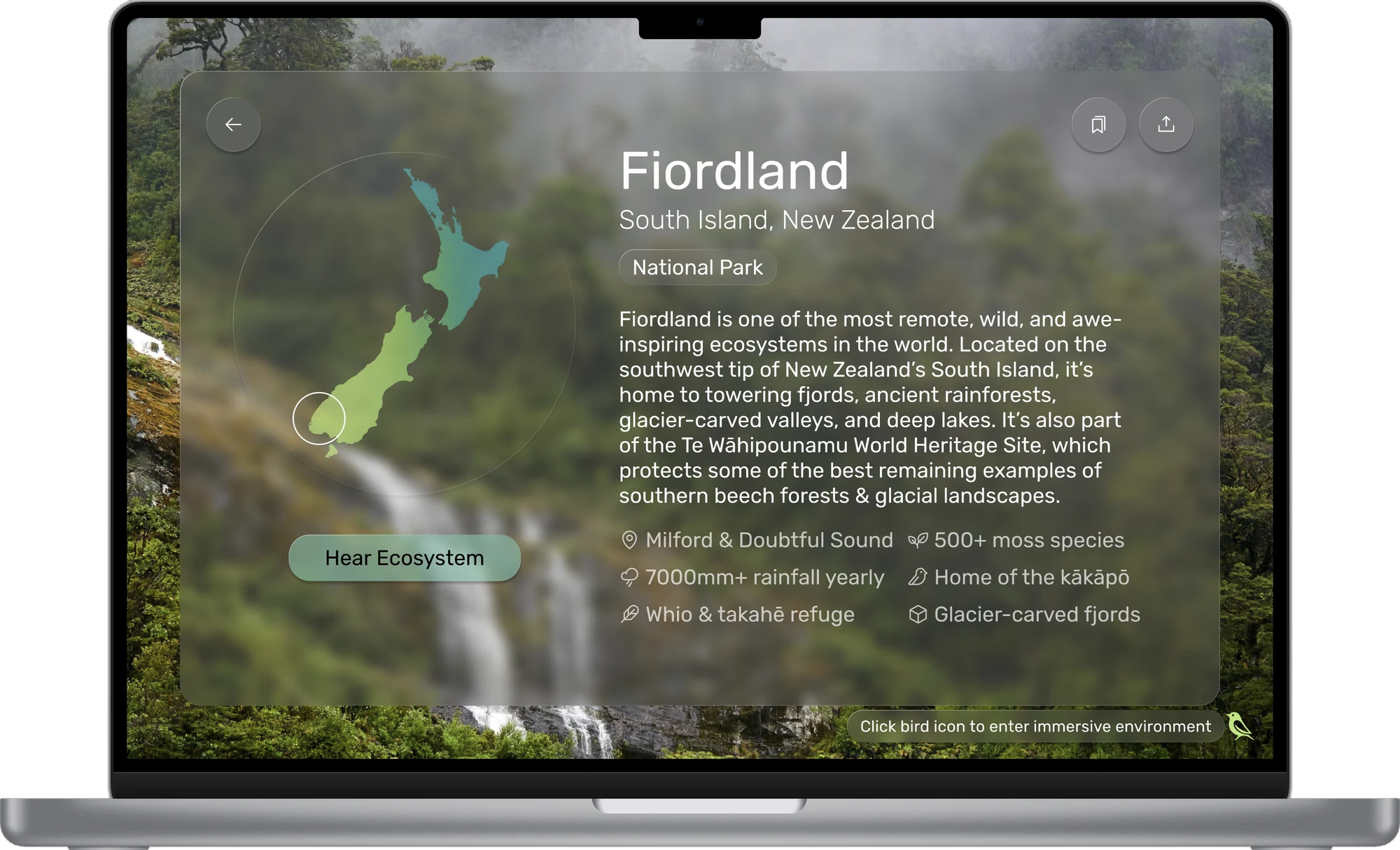
Click the bird logo in the bottom right and the UI dissolves: Fiordland rain, rainforest canopy, northwest coast at dusk.
Drag and drop. Layer bird calls, weather, ambience, silence. Share a mix to earn a conservation stamp.
Lost & Endangered started as a shared, immersive experience, not a website. The four cards on the hero are a residue of that idea: each one a portal into an environment or the soundscape composer, projected at room scale.
AR/VR was the obvious starting point, but it’s a single-person experience gated by hardware. A projector reaches a room: a classroom, a living room, a museum lobby. You stay aware of the people next to you. You can listen together.
Control comes from a trackpad. Swipe up, right, down, left to move between birds, ecosystems, and the listening room. No headset, no isolation, no $3,500 buy-in.
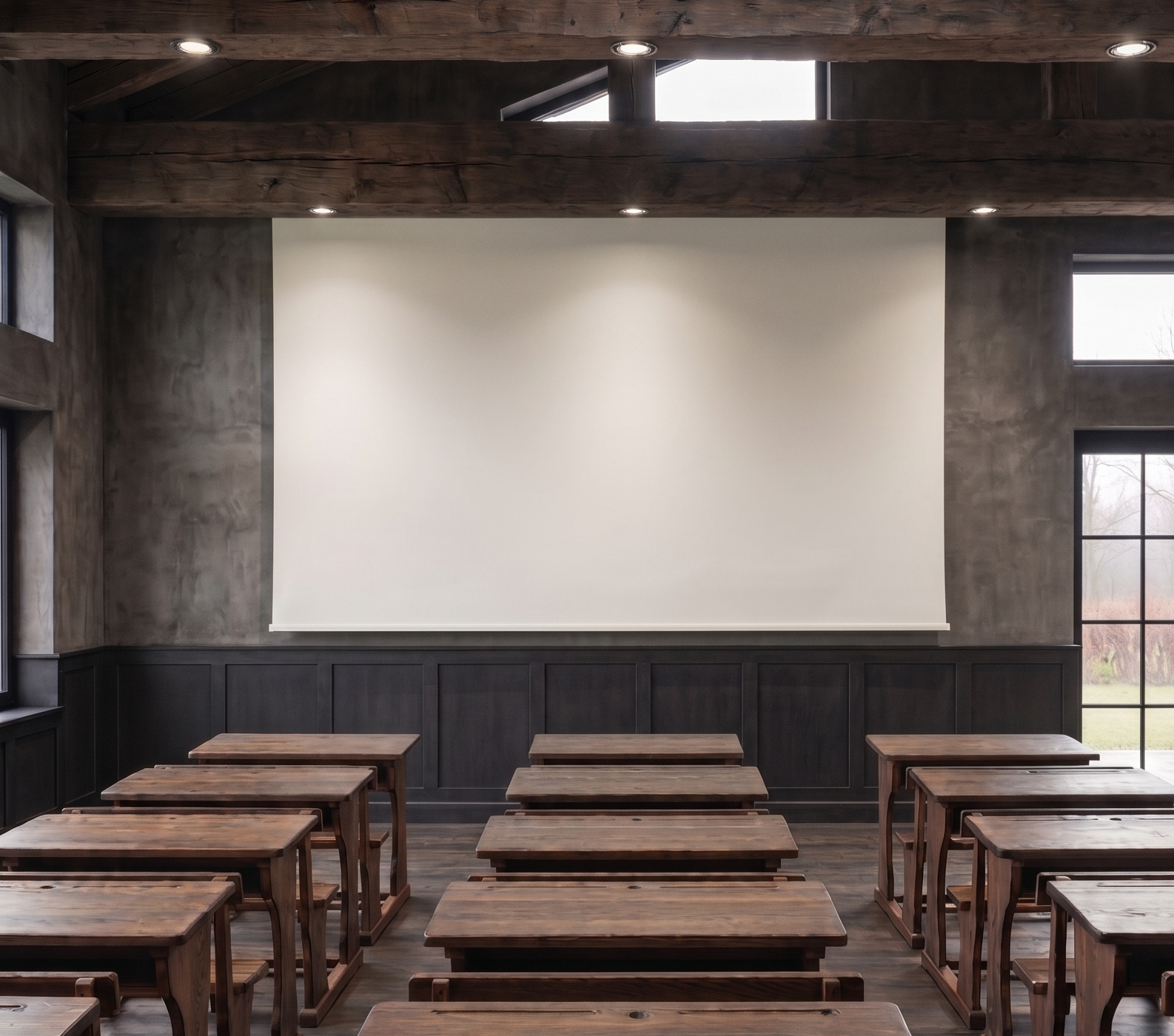
Projection at room scale, controlled by trackpad gestures, sits in a different toolset than screen prototyping. So the room became a screen. The real skill is knowing which tool fits which problem.
The bird archives that exist today are educational and dated. They store information; they don’t invite you in. Lost & Endangered puts you inside ecosystems you can hear.
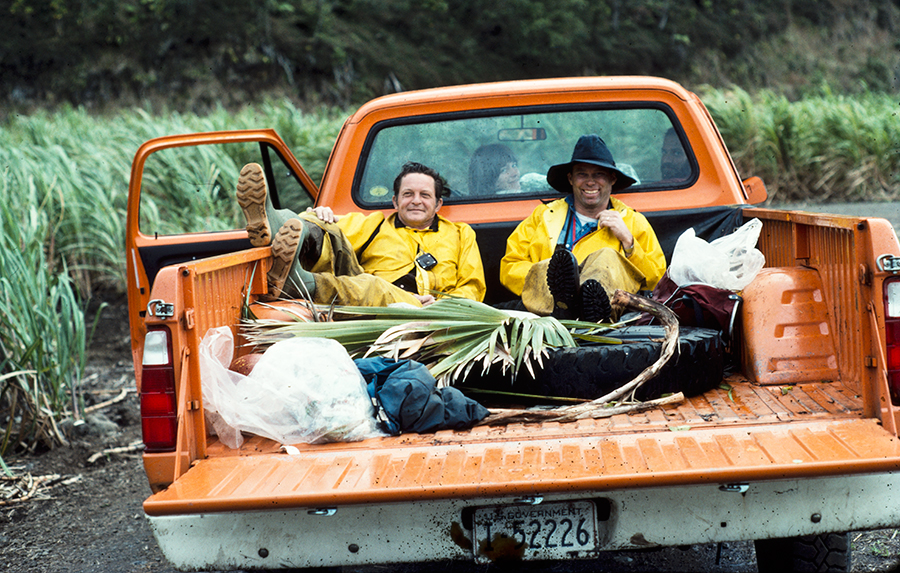
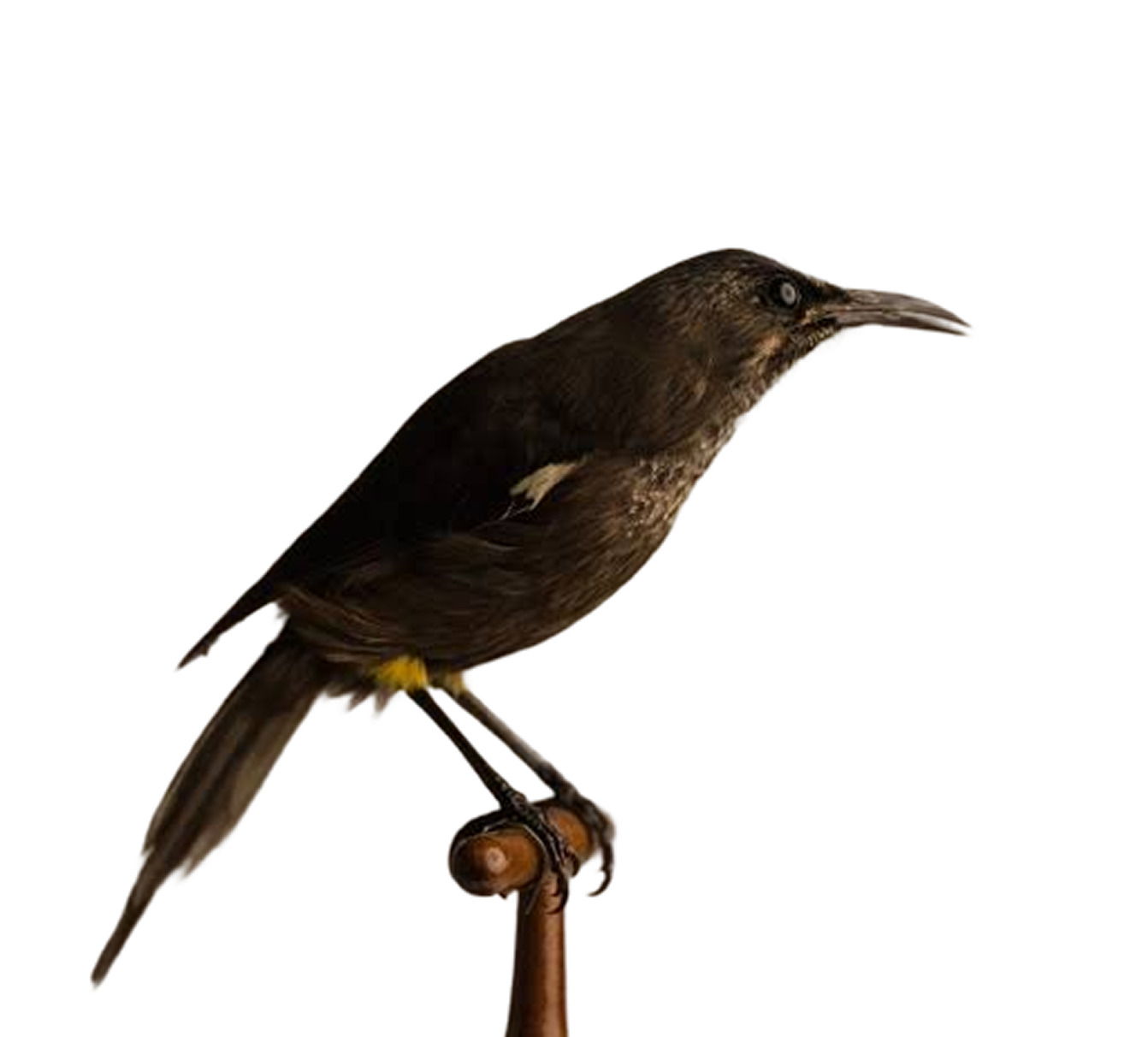
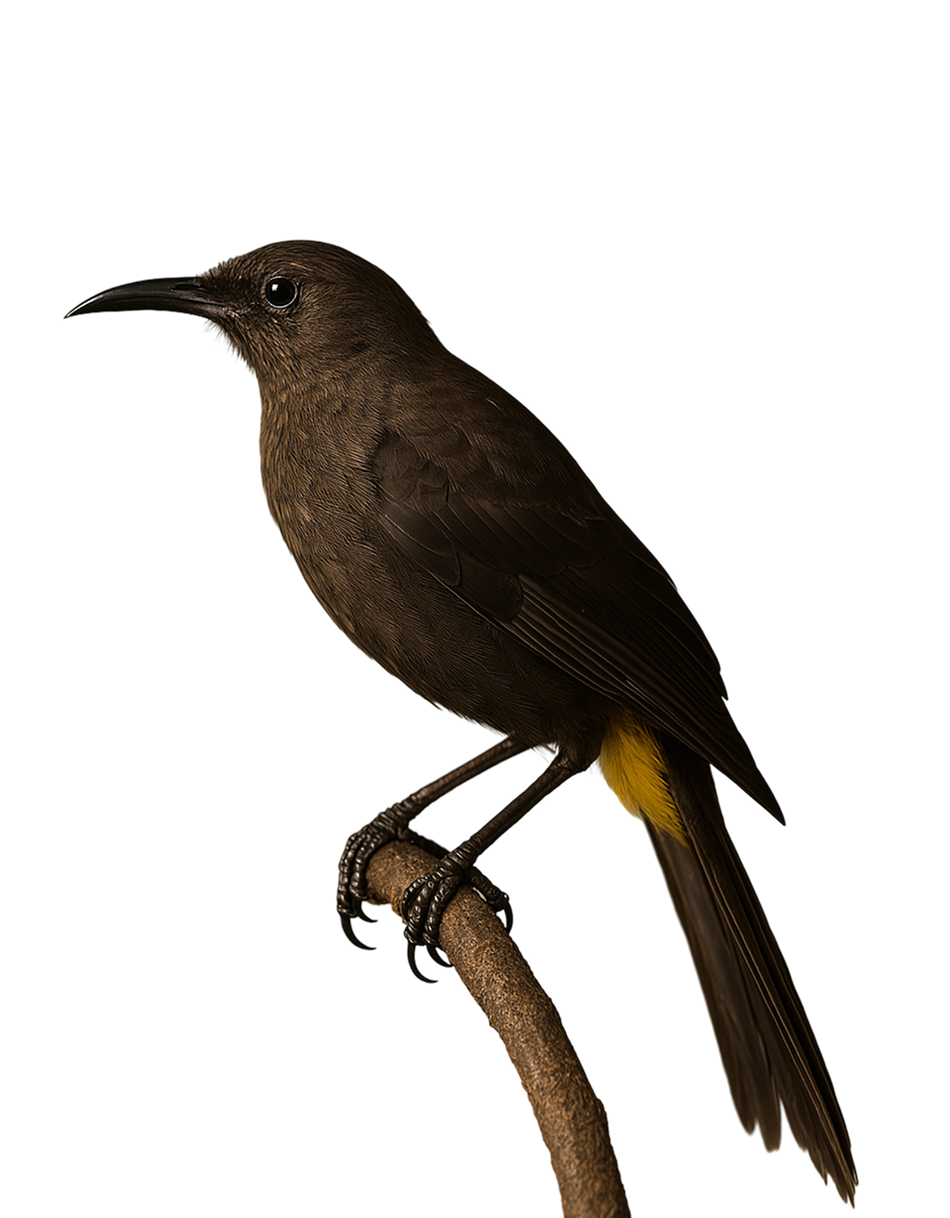
A Wednesday morning, May 1971. The team heard a call they’d only read about. Fifteen feet away: a pair of Kaua’i ‘ō’ō, thought extinct for years.
They returned with a full camera kit. The first photos of the species were captured that summer. Through the seasons that followed, the team kept recording, hoping the pair might survive.
Its call is what Lost & Endangered was built to keep.
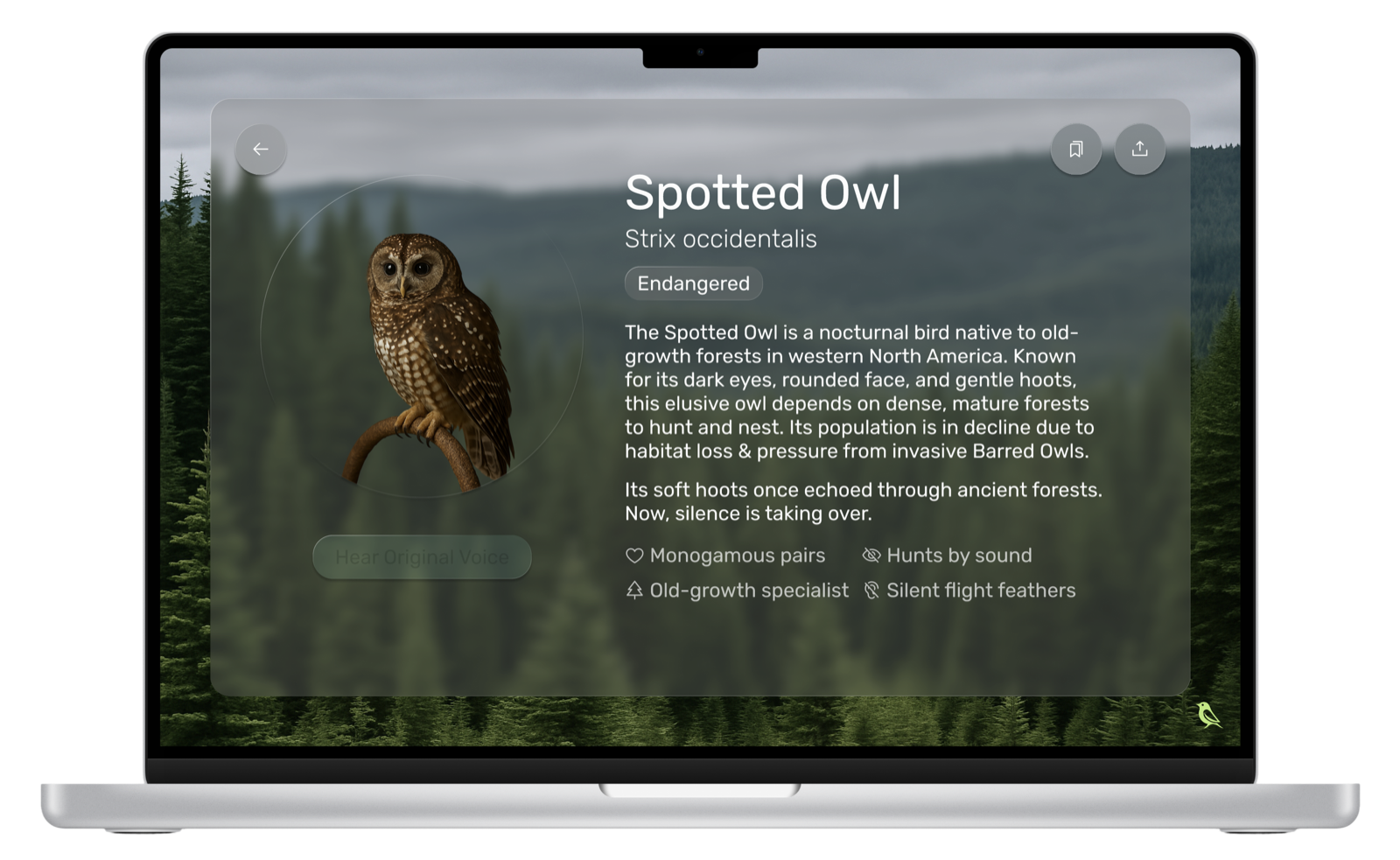
The endangered Spotted Owl was meant to be the second species featured.
Then I learned that poachers use its call to find the remaining birds. A clean recording becomes a trail to follow.
The species page stayed in the prototype; the audio stayed out.
Lost & Endangered finished as a Figma prototype. One week later, Figma Make was announced. Design output stopped being a static handoff and started being something live in code. I wanted to follow that shift forward.
The gap between design and code is starting to close. When the web first started, designers did both. Then everything split into roles. Now they’re meeting back up.
Tools like Figma Make, Code Connect, and MCP servers wired into Claude Code feel like patches on a canvas tool that was never built for the web. The real shift, for me, is leading with code earlier; that’s where designs land closest to intent.
Figma is the canvas. Code is where it ships.
Press R in the prototype
to restart it.